
Shopware 6 SEO and Frontend Optimization for a B2B Workwear and Safety Equipment Shop
Fortdress Group needed more than isolated SEO fixes. The project combined Shopware 6 frontend refinement with search-relevant technical improvements, including redirect planning, image handling, render-path optimization, metadata review, lazy-loading considerations, and staged rollout preparation. BrandCrock supported the work as a structured optimization stream tied to both technical visibility and frontend performance.
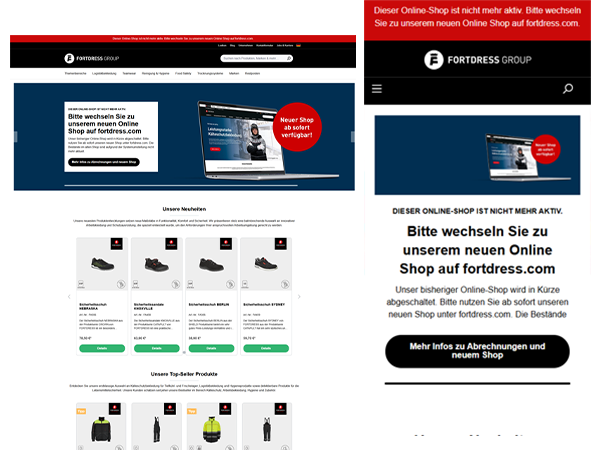
Project Snapshot
Client:
Fortdress Group
Platform:
Shopware 6
Industry:
B2B eCommerce for workwear, cold-protection clothing, hygiene, food-safety products
Scope:
SEO optimization, redirect planning, image and metadata review, render-path optimization, lazy-loading considerations, staging planning, frontend refinements
Business Model:
B2B / B2C professional equipment supply
Complexity:
SEO work during platform transition, visibility-sensitive technical decisions, performance-related frontend adjustments, and staged rollout planning
The Challenge
Fortdress Group was not dealing with a simple content SEO task. The project sat at the intersection of technical SEO, Shopware frontend behavior, and transition-sensitive shop operations.
The key issues were not only about keywords. They included redirect logic between the previous and new shop, image-thumbnail generation, missing explicit image dimensions, render-blocking resources, alt-tag and metadata gaps, and frontend refinements that affected both search readiness and perceived performance. The old-to-new redirect workflow also required coordination outside the new Shopware instance, including htaccess handling on the previous system.
Key challenges
- Redirect planning from the old shop to the new Shopware environment
- Handling missing product-detail targets by redirecting to the relevant category where necessary
- Review of image-thumbnail generation and media-folder behavior in Shopware 6
- Image elements missing explicit width and height attributes across the shop
- Render-blocking CSS/JS behavior requiring selective review rather than blanket changes
- Alt-tag and metadata consistency across frontend image usage
- Need for staging after SEO work so changes could be reviewed more safely
- Additional frontend-detail work affecting listing and product pages
What We Delivered
BrandCrock handled the project as a connected SEO and frontend optimization workstream.
The work began with redirect clarification between the old and new shop setup. From there, the scope expanded into technically relevant frontend details: image sizing, thumbnail behavior, render-path considerations, alt-tag and metadata review, and the use of lazy loading where appropriate. The project also included staging-related planning so completed work could be prepared for safer rollout rather than pushed directly into a sensitive live environment.
A significant part of the engagement also involved technical explanation and decision support. Where the client challenged individual estimates, BrandCrock clarified what Shopware handled by default, what depended on folder and media structure, what could realistically be improved, and what should not be forced if it introduced unnecessary risk. That is an important part of the project story and helps explain the non-billable share in the time logs.
Implementation Highlights
01
Redirect strategy for old-to-new shop transition
BrandCrock reviewed how legacy URLs should be redirected into the new environment and clarified that unavailable product-detail pages should point to the relevant category instead of failing.
Outcome: more controlled transition logic for legacy URLs and lower risk of broken user journeys after platform change.
02
Image and frontend-structure review
The project included analysis of thumbnail generation, media-folder behavior, explicit image dimensions, and frontend conditions affecting stability and scoring. BrandCrock also clarified where Shopware’s default thumbnail handling was sufficient and where it depended on media structure.
Outcome: better technical basis for image delivery, accessibility, and frontend consistency.
03
Render-path, metadata, and rollout planning
BrandCrock assessed CSS/JS loading behavior, reviewed alt tags and metadata, and included staging as part of the rollout logic so SEO-related changes could be reviewed more safely.
Outcome: more realistic optimization, improved search readiness, and lower rollout risk.
Outcome
The Fortdress project established a more structured path for technical SEO and frontend optimization inside a Shopware 6 environment.
- 249 billable hours of implementation-related work
- Redirect logic clarified for the old-to-new shop transition
- Image handling and accessibility-related frontend issues reviewed more systematically
- Explicit image sizing supported more stable frontend behavior
- Render-blocking concerns handled selectively rather than through risky blanket changes
- Metadata and alt-tag readiness improved across the shop
- Staging included to support safer rollout planning
Planning SEO or frontend optimization for a Shopware shop in transition?
If your project combines technical SEO, frontend adjustments, and platform-change risks, a structured review can reduce avoidable issues before they affect visibility, rollout, and day-to-day shop performance.